Melbourne, Florida & Brevard County
Mold Removal & Remediation in Melbourne, FL
Found mold in your house? Call to talk with a local mold removal pro. They’ll look at the damage, find where the water is coming from and give you a written plan to get it out.
Call if:
- You can see mold, or the house smells musty
- It covers more than a small spot
- It came back after you cleaned it
- It showed up after a leak, storm or AC problem
Mold removal or mold remediation?
People use both words for the same job. Mold removal usually means taking out the moldy materials. Mold remediation covers the whole job: stop the water, seal off the area, remove and clean, dry it out and check the result.
You want all of it. Mold that gets wiped off while the leak keeps going will grow back, often inside the wall where you can’t see it. A good Melbourne mold removal company starts by asking where the water came from.
Call (321) 555-0142 to describe what you’re seeing.
Where mold starts in Melbourne homes
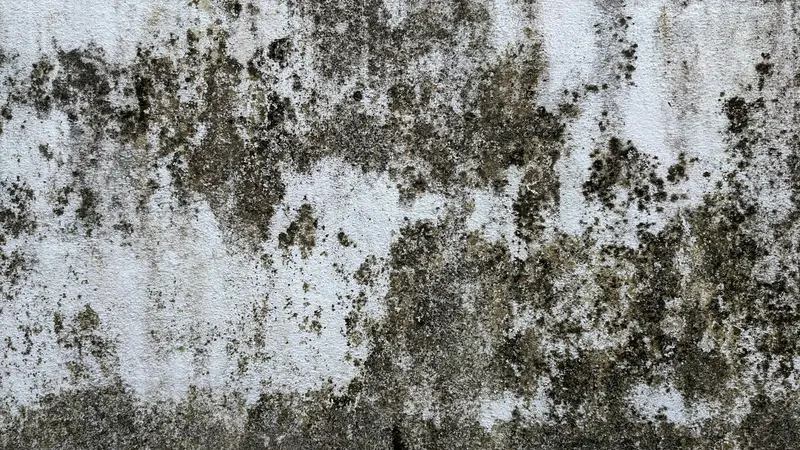
Most homes here sit on a concrete slab, so mold rarely starts in a basement or crawl space. It starts where water gets in from above or where humid air meets something cold.
Roof leaks
Wind-driven rain gets under shingles or tile and wets the roof deck. Mold can grow on attic wood for months before a ceiling stain shows up.
Attic mold removalAC air handler and ducts
Many homes here have the air handler in a hot attic. Cold ducts sweat, and a clogged drain pan or condensate line overflows. Mold grows on the wet wood and drywall around it.
AC and duct moldWindows in block walls
Rain can work in around older window frames set in concrete block. Check sills, the drywall below the window and the carpet along that wall.
Mold after a leak or stormBathrooms
A shower with a weak or missing exhaust fan stays damp. Mold that keeps coming back after cleaning can mean water is getting behind the tile.
Plumbing leaks
Slow drips under sinks, behind the dishwasher or at water heater lines soak cabinets and drywall where nobody looks.
Mold after a leak or stormHumid indoor air
Our air stays humid most of the year. If the AC is off or set high, such as in a closed-up seasonal home, indoor humidity climbs and mold can grow on walls, closets and furniture.
How mold is removed
Mold remediation follows the same order on almost every job. Look for these methods in any estimate you get.
Containment
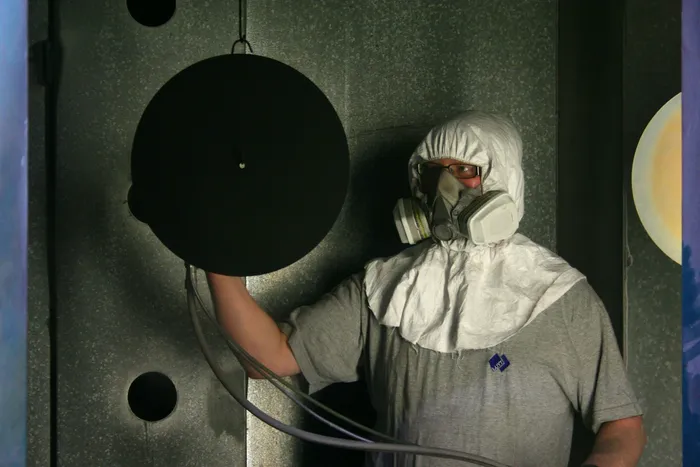
Plastic sheeting and zipper doors seal off the work area so spores and dust stay out of clean rooms.
HEPA air filters
Air scrubbers pull air out of the work area through HEPA filters, so dust moves into the work zone and stays there.
Removing what can’t be cleaned
Moldy drywall, insulation, carpet pad and ceiling tiles get cut out, bagged in the work area and hauled away.
HEPA vacuuming and scrubbing
Wood framing, roof decking and concrete get HEPA vacuumed and scrubbed. Stained wood may be sanded or blasted clean.
Drying
Dehumidifiers and air movers bring wood and drywall back to normal moisture before anything gets closed up.
Sprays and sealers, only after cleaning
Some crews apply an antimicrobial or a sealer at the end. A spray should never stand in for removal. Ask what they plan to use and why.
Fix the water, or the mold comes back
Mold needs water to grow. Removing it without fixing the source only buys time. Here is what to look for and who usually makes the repair.
| Water source | Signs you may see | Who fixes it |
|---|---|---|
| Roof leak | Stain on the ceiling, wet attic wood, dark spots on roof decking | Roofer |
| AC drain pan or condensate line | Water near the air handler, damp ceiling below it, musty smell when the AC runs | AC company |
| Sweating ducts or vents | Dark spots around ceiling vents, wet duct wrap in the attic | AC company |
| Plumbing leak | Soft cabinet floor, swollen baseboard, stain on the wall behind a sink or toilet | Plumber |
| Window or wall leak | Mold on sills, wet drywall under a window, damp carpet along an outside wall | Window or stucco contractor |
| High indoor humidity | Mold on many walls, closets or furniture, sticky air, AC set high or off | AC company, plus better settings or a dehumidifier |
Many mold companies will find the source and tell you who to call. Some handle small repairs themselves. Ask before the work starts so nothing gets closed up wet.
What happens to your walls, floors and attic
Hard surfaces can usually be cleaned. Soft, porous materials usually come out. Here is how it often goes.
| Material | Cleaned or removed? | What to know |
|---|---|---|
| Drywall | Removed | Moldy board is cut out past the visible growth and replaced. Cleaning the surface leaves mold inside the paper and gypsum. |
| Insulation | Removed | Batt and blown-in insulation can’t be cleaned. It gets bagged and replaced. |
| Carpet and pad | Usually removed | Pad that stayed wet is thrown out. Carpet often goes too if it was wet for more than a day or two. |
| Wood framing and roof decking | Usually cleaned | HEPA vacuumed, scrubbed or sanded. Wood that is soft or rotted gets replaced. |
| Concrete block and slab | Cleaned | Hard surfaces clean well. The crew should still find out how water got there. |
| Tile and grout | Cleaned or redone | Surface mold cleans off. Mold that keeps coming back can mean wet board behind the tile. |
| Flex AC duct | Usually replaced | Moldy flex duct is hard to clean and is often swapped out by an AC company. |
| Textured ceilings | Test first | Popcorn ceilings in older homes can contain asbestos. Have it tested before anyone cuts or scrapes it. |
How the job goes, start to finish
You call
Tell them where the mold is, about how big it looks, and whether there was a leak or storm.
Visit and written estimate
A pro looks at the area, checks moisture with a meter and gives you a written plan and price.
Stop the water
The leak or humidity problem gets fixed, or scheduled with the right trade, before the mold work is closed up.
Contain and remove
The crew seals the area, sets up HEPA air filters, removes moldy materials and cleans what stays.
Dry and check
Moisture readings come back to normal and the area passes a visual check. Some homeowners also hire an outside assessor for a final test.
Put it back together
New insulation, drywall and paint. Some mold companies do this work. Others will tell you who to call.
Mold problems we get calls about
Melbourne mold removal, plus nearby towns
Local mold removal pros serve Melbourne and the rest of south and central Brevard County, from the mainland to the barrier island.
- Melbourne
- West Melbourne
- Palm Bay
- Viera
- Suntree
- Rockledge
- Melbourne Beach
- Indialantic
- Indian Harbour Beach
- Satellite Beach
- Malabar
- Grant-Valkaria
Questions homeowners ask
How much does mold removal cost in Melbourne?
It depends on the job. Price goes up with the size of the area, how much drywall or insulation has to come out, how hard the spot is to reach (attics and AC closets take more work) and how much rebuilding you need after. A small bathroom job and a whole attic are very different jobs.
Get a written estimate that lists the work area, what will be removed, how it will be dried and how the job will be checked at the end. Then compare estimates line by line.
Do I need a mold test before I hire someone?
Usually not if you can see the mold. The EPA says sampling is often not needed when mold is visible, because the fix is the same: stop the water and remove the mold.
Testing can help when you smell mold but can't find it, or when you want an outside check after the work is done. In most cases, Florida law doesn't let the company that did your mold assessment also do the removal within 12 months, so testing and removal are often two different companies.
Is black mold worse than other mold?
You can't tell how harmful mold is by its color. Many molds look black or dark green. The CDC says you don't need to know the type of mold to deal with it. Any mold growing inside your home should be removed, and the water problem behind it should be fixed.
See our black mold removal page for more.
Can I clean it myself?
The EPA says a homeowner can often clean a small patch, under about 10 square feet, on a hard surface. That is about a 3 foot by 3 foot area.
Call a pro if the mold is bigger than that, if it is in drywall, insulation or the AC system, if it came from sewage or flood water, or if it keeps coming back. Bleach on drywall can lighten the stain without killing the mold inside the board, and it does nothing about the leak.
Can my family stay home during the work?
For many jobs, yes. A good crew seals off the work area and runs HEPA air filters so dust stays inside the work zone. For large jobs, or if someone in the home has asthma, allergies or a weak immune system, ask the company if you should stay somewhere else for a day or two.
How long does mold remediation take?
A small, easy-to-reach area can often be done in a day or two. Jobs that need a lot of drying, a roof or AC repair first, or new drywall and paint after take longer. Ask for a timeline with your estimate.
Will the mold come back?
Not if the water stays fixed. Mold needs moisture. Once the leak is repaired and the area is dry, keep indoor humidity below 60 percent, as the EPA advises. Run your AC, use bathroom fans, and keep the AC drain line clear.
Does homeowners insurance pay for mold removal?
Sometimes. Many policies limit mold coverage. Some cover mold caused by a sudden leak that the policy also covers, like a burst pipe. Slow leaks and humidity are often not covered. Read your policy and call your agent. Take photos before any work starts.
Do you cover Palm Bay, Viera and the beaches?
Yes. We cover Melbourne, West Melbourne, Palm Bay, Viera, Suntree, Rockledge and the beach towns from Satellite Beach to Melbourne Beach. See the full service area.
Got mold? Talk to a local pro today.
Tell them what you’re seeing. They’ll set up a visit and a written estimate.